
Reviews
Description
The Central Gimmick
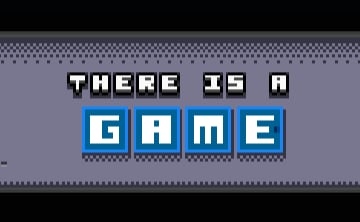
This game builds its entire identity around a clever contradiction. The narrator repeatedly states there is no game, yet players must prove otherwise by interacting with on-screen elements. Every click becomes a small act of defiance, pushing the story forward through a series of inventive puzzles. The humor arises from the narrator's reactions, which range from annoyed to playful, as each successful interaction undermines their claims.
Puzzle Design Philosophy
Challenges here rely on lateral thinking rather than complex logic. Players might need to drag a metal object onto a nut, then offer the result to a passing squirrel to obtain a key. Solutions often involve combining items in unexpected ways or clicking on text that initially appears to be part of the interface. The game rewards curiosity and experimentation, making each solved puzzle feel like a small victory against the narrator's protests.
Narrator as Guide and Obstacle
The narrator serves as both a tutorial and a source of friction. Their commentary provides hints about what to try next, but also creates a playful adversarial relationship. This dynamic keeps the experience engaging, as players must decide when to follow the narrator's suggestions and when to ignore them. The voice acting or text responses add personality, making the game feel like a conversation rather than a traditional puzzle.
Length and Replay Value
The original version offers a concise experience, typically completed in under an hour. This brevity works in its favor, as the central joke remains fresh throughout. There are no filler puzzles or unnecessary mechanics. The game's structure sets the stage for a larger sequel, but stands on its own as a complete, satisfying narrative. Players who enjoy the concept may find themselves replaying to see all the narrator's reactions.
Visual and Audio Style
The presentation is minimal, focusing on text and simple graphics that shift in response to player actions. This restraint allows the humor and puzzle design to take center stage. Sound effects are used sparingly but effectively, often to emphasize a successful interaction or the narrator's exasperation. The overall aesthetic supports the meta theme, reminding players that they are interacting with a constructed world.






Player Comments
Sign in to comment
You must be logged in before posting a review or rating.
No account? Create one
No comments yet. Be the first to comment!